Digital Platforms Reshaping Access to Acclaimed International Films Globally
Written by Tina Lang · May 31, 2026
Digital Platforms Reshaping Access to Acclaimed International Films Globally
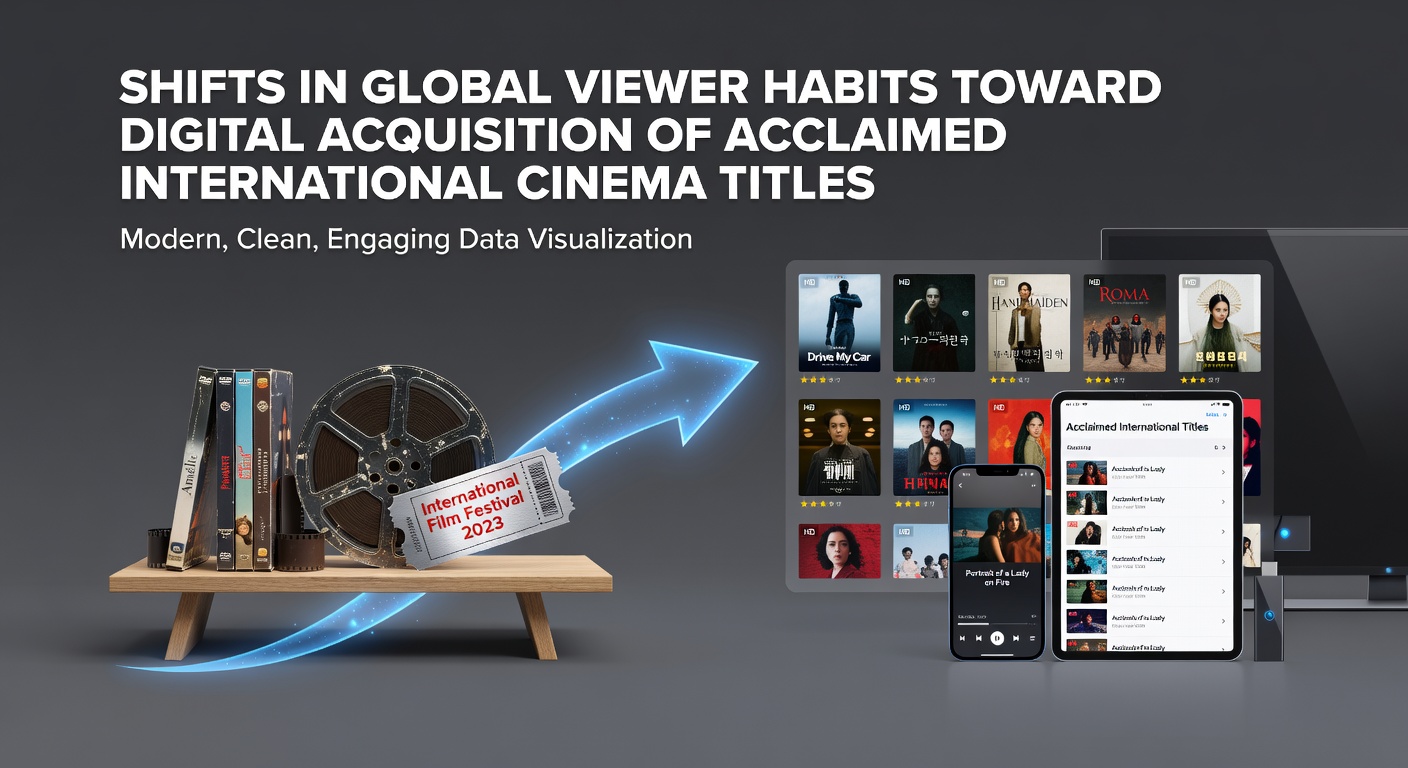
Shifts in how viewers obtain acclaimed international cinema have accelerated in recent years as digital acquisition methods gain ground over traditional physical formats and theatrical releases in many regions, with data from industry tracking services showing consistent growth in video-on-demand transactions and subscription streaming for foreign-language titles since the mid-2010s.
Historical Context of Viewer Preferences
International films once reached audiences primarily through film festivals, art-house theaters, and later physical media such as DVDs and Blu-ray discs that carried subtitles or dubs in multiple languages, yet observers note that broadband expansion combined with portable devices began altering these patterns around 2010 when early streaming services started licensing acclaimed works from directors like Akira Kurosawa or Pedro Almodóvar for home viewing.
Researchers at academic institutions documented initial resistance among cinephiles who preferred tangible collections, but figures from global market analyses revealed that convenience factors including instant access and lower per-title costs gradually outweighed those preferences in urban centers across Europe, Asia, and the Americas.
Rise of Subscription and Transactional Models
Subscription platforms expanded their libraries of award-winning international titles during the 2020s, incorporating catalog additions from regions such as South Korea, Iran, and Brazil that previously saw limited distribution outside domestic markets, while transactional options on services like iTunes and Google Play allowed one-time purchases or rentals that appealed to viewers seeking specific acclaimed works without ongoing commitments.
Statistics compiled by the European Audiovisual Observatory indicate that digital revenues for non-national European films grew steadily between 2018 and 2024, driven by increased availability on both global and regional platforms that offered curated selections based on festival recognition and critical consensus.
Regional Variations in Adoption Rates
Adoption patterns differ markedly by geography, with viewers in Australia and Canada showing higher percentages of digital acquisitions for international cinema according to national screen industry reports, whereas markets in parts of Latin America and Southeast Asia continue blending digital options with informal physical exchanges though formal streaming uptake has risen following improved connectivity infrastructure.
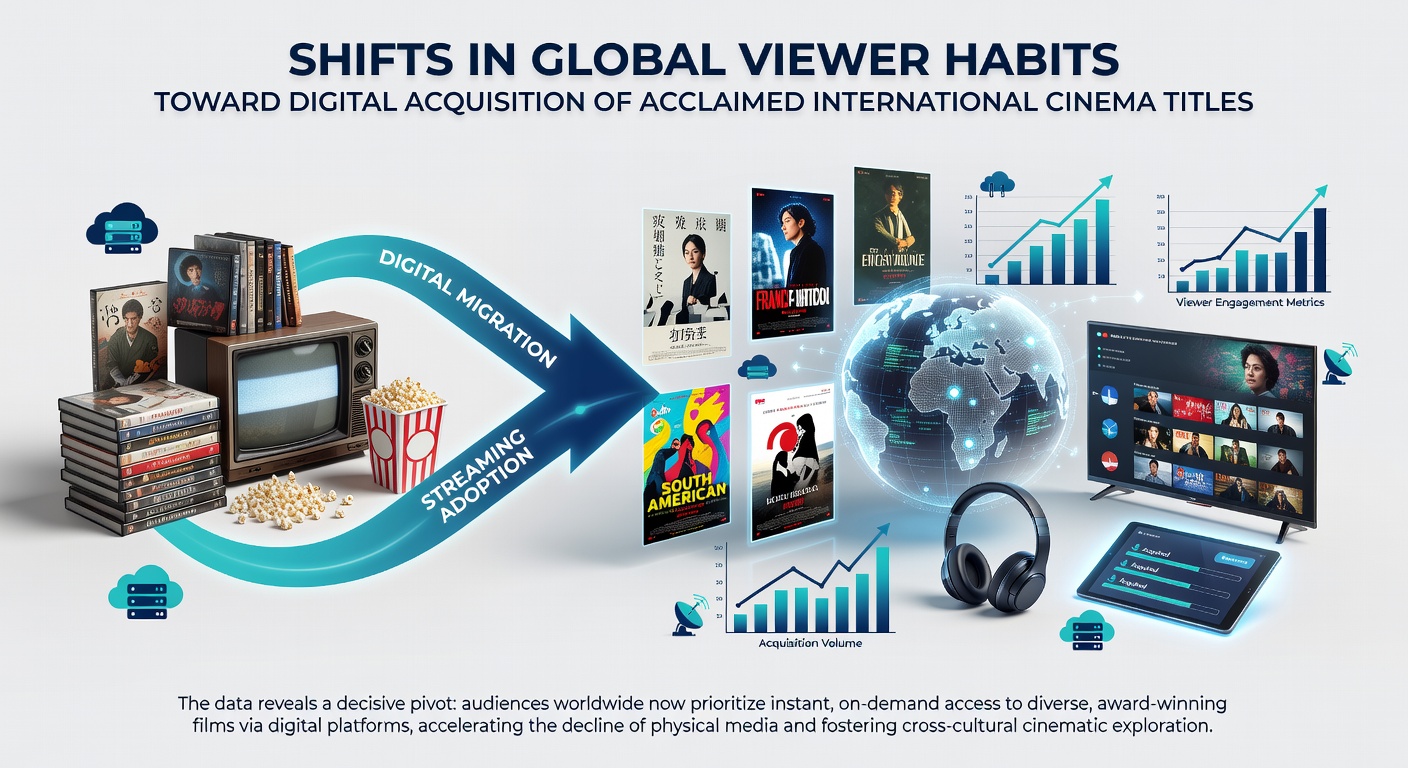
Canadian Heritage data from recent surveys points to younger demographics leading the transition toward digital ownership of subtitled films, while older cohorts in the same regions retain hybrid habits that include occasional disc purchases alongside streaming subscriptions.
Impact on Distribution and Discovery
Digital acquisition has influenced how distributors market acclaimed titles, shifting emphasis toward algorithmic recommendations and social media campaigns that surface works from smaller film industries to broader audiences, and trade analyses show that visibility on major platforms correlates with higher transaction volumes for titles that premiere at events like the Cannes Film Festival.
By May 2026, upcoming festival seasons are expected to integrate more direct-to-digital release strategies for select international features, building on precedents set during earlier disruptions when physical exhibition faced constraints.
Data Trends and Platform Metrics
Market intelligence from sources including the Motion Picture Association reveals that international film categories on digital storefronts accounted for a growing share of overall transactions in 2025, with particular strength in genres such as drama and documentary that attract niche yet dedicated global followings.
Those who track viewer metrics observe that mobile devices now facilitate a substantial portion of these acquisitions, enabling on-the-go purchases that were impractical with earlier physical distribution chains.
Conclusion
Patterns of digital acquisition for acclaimed international cinema continue evolving alongside technological improvements and content licensing expansions, supported by evidence from multiple regional and international monitoring bodies that document sustained movement away from legacy formats toward platform-based access methods.