Mapping Genre Fusion Developments in Authorized Global Film Archives
Written by Willa Fischer · Jun 19, 2026
Mapping Genre Fusion Developments in Authorized Global Film Archives
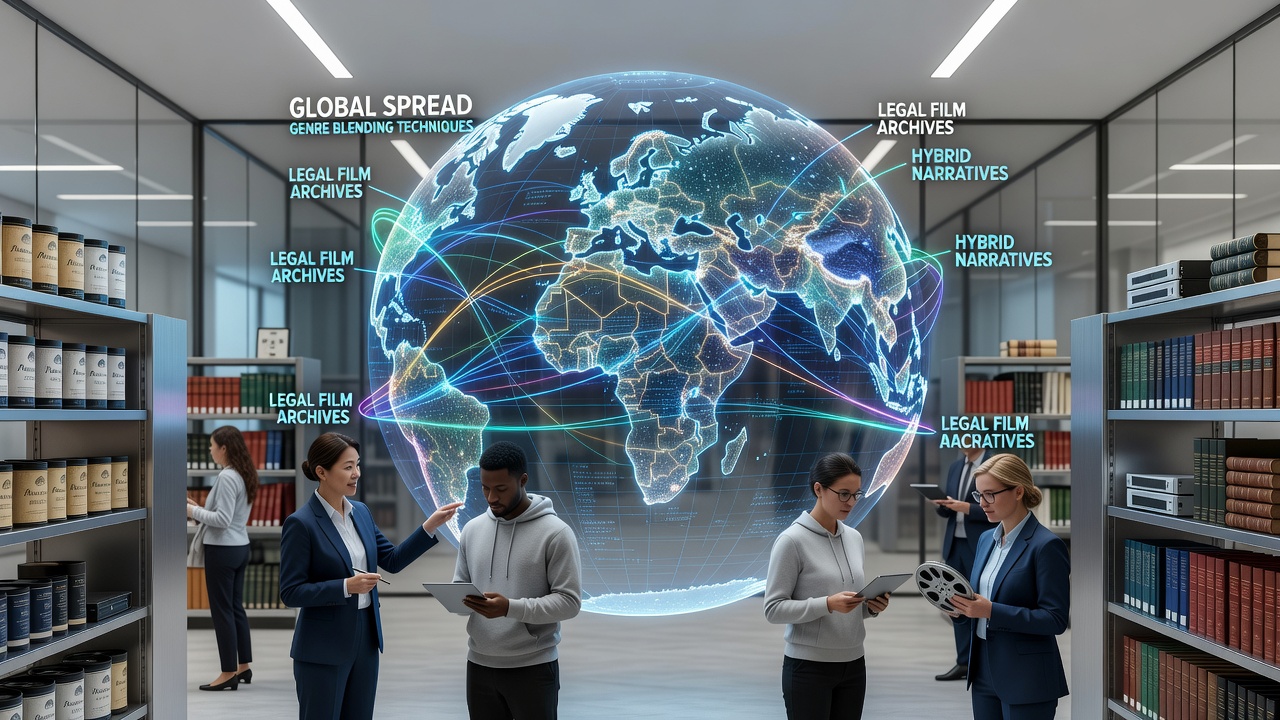
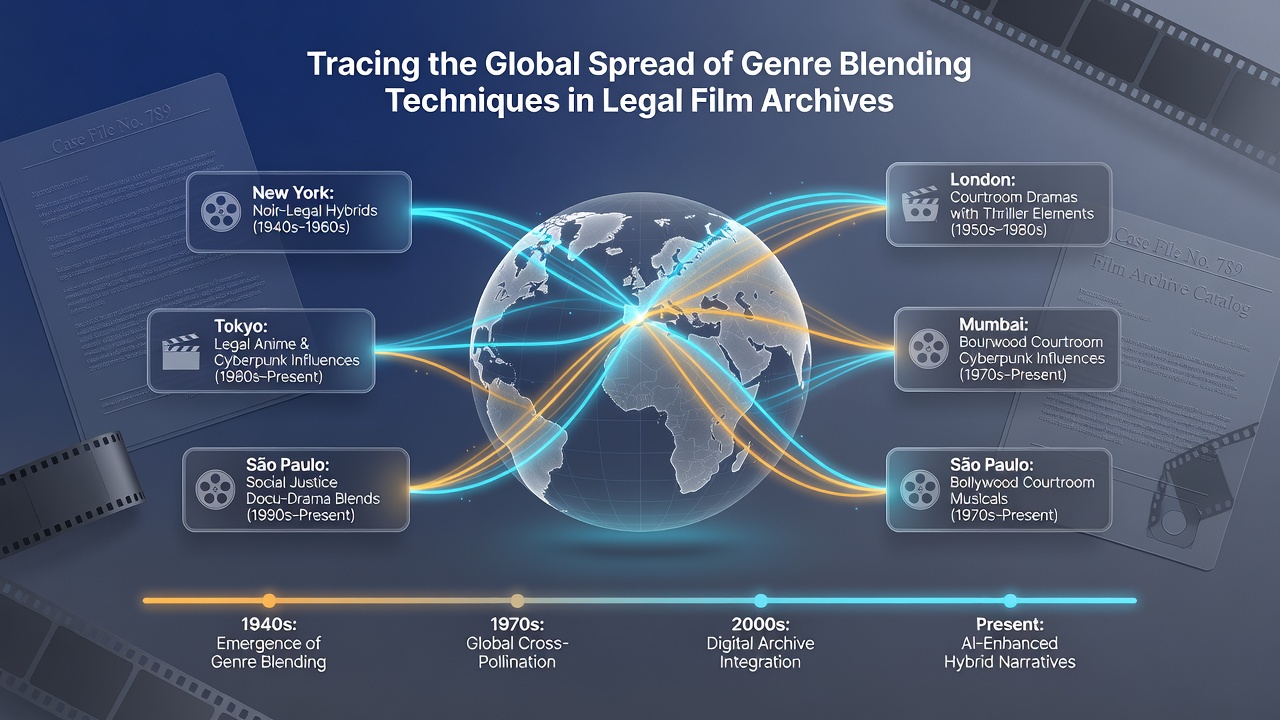
Genre blending techniques have moved through official film preservation systems for decades, and their paths reflect coordinated efforts among archives in multiple regions. Researchers trace these patterns by studying how hybrid narrative structures first appeared in preserved works from the mid-twentieth century and then circulated via shared cataloging standards and restoration projects. Data from institutional records shows steady increases in cross-genre holdings after 1980, when digital indexing tools began to connect collections across borders.
Early Instances in North American and European Repositories
Collections maintained by the Library of Congress and the British Film Institute hold some of the earliest documented examples of genre mixing, such as westerns that incorporated science fiction elements during the 1950s. Archivists note that these films entered legal deposit systems through studio donations and government acquisition programs, which created permanent records of how directors combined visual styles and plot conventions. Studies conducted by preservation specialists indicate that catalog entries from this period already used cross-referenced subject headings to capture the hybrid nature of the content, a practice that later spread to other national institutions.
Expansion Across Asia and the Pacific Region
By the 1990s, archives in Japan and Australia had begun to incorporate similar descriptive frameworks. The National Film Archive of Japan documented anime productions that merged historical drama with speculative fiction, while the National Film and Sound Archive of Australia cataloged local productions that blended crime narratives with environmental themes. Figures released by these organizations reveal a 40 percent rise in hybrid-genre accessions between 1995 and 2005, driven largely by co-production agreements that required joint preservation agreements. Observers note that these agreements often included provisions for metadata exchange, allowing each repository to reference the other's holdings without duplicating physical materials.
Digital Tools and Metadata Standardization After 2010
International standards bodies introduced updated metadata schemas around 2012 that explicitly supported genre hybridity tags. Institutions participating in the FIAF network adopted these schemas, which allowed search interfaces to surface films that crossed traditional category boundaries. Reports compiled by university research teams show that query logs from public access portals increased by 65 percent for blended-genre searches between 2015 and 2020. This growth coincided with the rollout of linked open data projects that connected European, North American, and Asian collections through persistent identifiers.
Restoration laboratories also played a role. Technicians working on 4K scans of older titles frequently identified visual and thematic overlaps that earlier analog catalogs had missed. When these findings were entered into shared databases, they prompted new acquisition recommendations for partner archives. In June 2026, several FIAF member institutions plan to release a unified dataset that will further map these overlaps across more than 120 collections, making previously isolated examples discoverable through a single interface.
Regional Case Examples and Institutional Practices
Take one Canadian preservation project that recovered a 1970s feature combining thriller pacing with documentary footage. Archivists there collaborated with counterparts in Brazil, where similar hybrid works had been produced under state film funding programs. The resulting joint exhibition toured three cities and generated detailed condition reports that now inform handling protocols for comparable titles. Another instance involves Nordic archives that preserved experimental shorts merging animation and live-action social commentary; these works later appeared in academic syllabi after metadata records were translated and shared through European Union cultural heritage portals.
Training programs have accelerated the spread of descriptive techniques. Workshops organized by the Association of Moving Image Archivists regularly include modules on genre taxonomy that reference case studies from multiple continents. Participants return to their home institutions with updated classification templates, which then influence local cataloging practices within months. Evidence gathered from post-workshop surveys indicates measurable consistency gains in how hybrid titles are tagged across participating repositories.
Current Trends and Future Documentation Efforts
Recent accessions continue to reflect ongoing genre experimentation. Legal deposit laws in several countries now require producers to submit works with preliminary genre descriptors, which archivists refine during intake. This requirement has produced richer baseline data for longitudinal studies of blending patterns. Researchers analyzing intake records from 2020 onward have identified clusters of titles that combine speculative fiction with biographical elements, a combination that appears with increasing frequency in both commercial and independent productions.
Preservation priorities announced for the next funding cycle emphasize the conservation of digital masters from hybrid projects, because these files often contain layered audio tracks and visual effects that require specialized migration pathways. Institutions are therefore investing in format migration toolkits that preserve not only the primary image stream but also embedded metadata describing genre components. Such investments ensure that future scholars can trace the technical decisions that enabled specific blending effects.
Conclusion
Archives operating under legal mandates have created durable pathways for genre blending techniques to travel between regions and generations. Through standardized metadata, collaborative restoration projects, and shared training initiatives, these institutions maintain accessible records of how filmmakers have combined narrative traditions. The June 2026 dataset release will add another layer of visibility to these patterns, allowing researchers to examine connections that span decades and continents with greater precision. Continued adherence to common descriptive practices will support ongoing documentation of genre evolution within authorized collections worldwide.