Metadata Trails Expose Audience Leanings Toward Global Hits and Local Favorites
Written by Sofia Becker · Jul 14, 2026
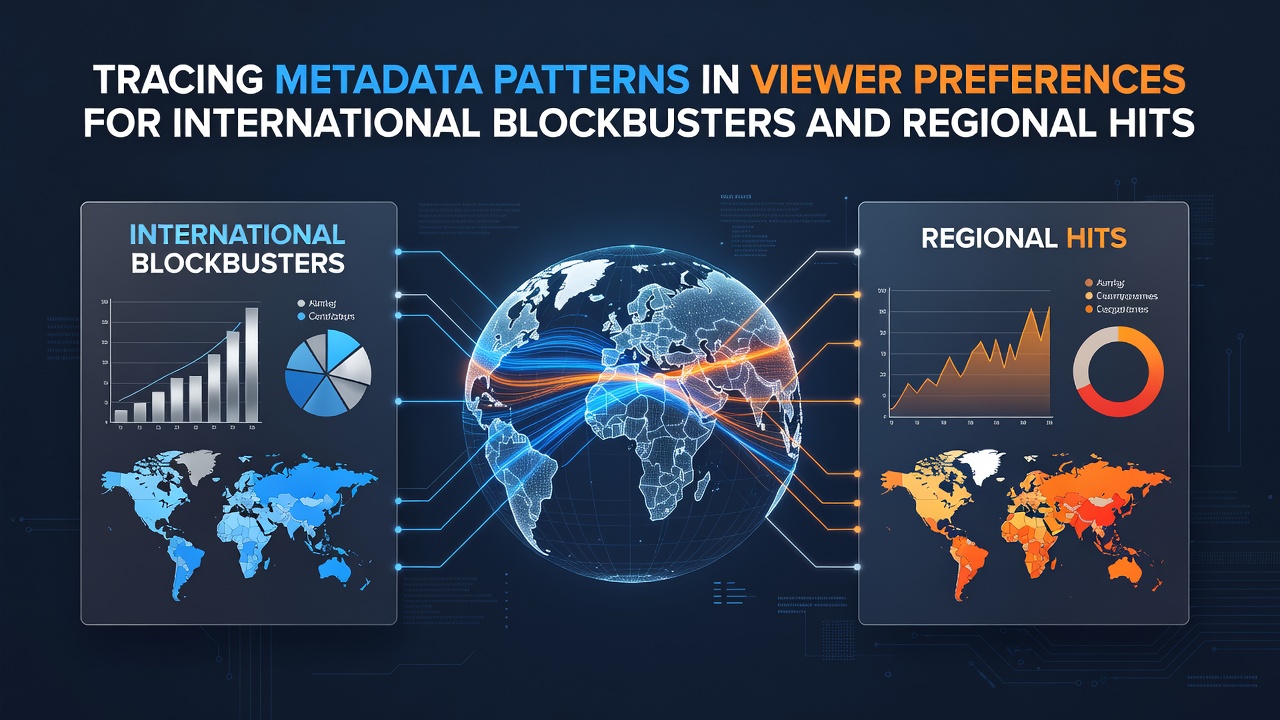
Metadata Trails Expose Audience Leanings Toward Global Hits and Local Favorites
Streaming services compile vast datasets from user interactions and these records include watch times, pause frequencies, subtitle selections, and search queries that form clear patterns when analysts examine preferences for international blockbusters compared with regional productions, while researchers in July 2026 continue to refine tools that map these trails across multiple territories.
Data Collection Methods Behind Preference Mapping
Platforms gather metadata through automated logging of every session and this process captures completion rates alongside genre tags plus language preferences so analysts can segment audiences by behavior rather than by declared demographics alone, yet the aggregation happens without individual identification in most studies. Observers note that completion percentages for international titles often exceed those for regional films in certain markets because global blockbusters tend to feature higher production values and wider marketing pushes, whereas regional hits show stronger repeat viewings when cultural familiarity drives the choice.
Key Patterns in International Blockbuster Engagement
Analysis of metadata from major services reveals that viewers in multiple regions spend longer on opening sequences of high-budget action films and they return to rewatch key scenes at higher rates than with smaller productions, while search volume spikes around release windows for titles originating from Hollywood studios. Data from cross-border studies indicates that international blockbusters maintain steadier engagement curves across age groups because their narratives rely on visual spectacle that translates without heavy reliance on dialogue, yet regional films display sharper drops when subtitles or dubbing options remain limited.
Regional Hits and Localized Metadata Signals
Regional cinema generates distinct signals in metadata streams where viewers select native-language audio tracks more frequently and they exhibit higher interaction with supplemental content such as behind-the-scenes clips tied to local stars, according to reports compiled by the European Audiovisual Observatory. Those who've studied these trends find that completion rates climb in home markets for stories rooted in familiar social contexts and this pattern holds even when production budgets stay modest compared with global releases, while geographic clustering of views points to strong community-driven discovery rather than algorithmic promotion alone.
Comparative Insights Across Markets
When researchers overlay datasets from different territories they observe that international blockbusters achieve broader initial reach yet regional titles sustain longer tail engagement in their origin countries, and this divergence appears in metrics such as average session length plus share rates on social platforms. Figures from industry tracking show that in July 2026 the gap narrowed slightly in select Asian and European markets because hybrid distribution models now blend theatrical windows with simultaneous streaming access, which allows metadata to capture both premiere buzz and extended home viewing. One study revealed that viewers who start a regional hit often finish it within a single session whereas blockbuster audiences intersperse viewing across multiple days, suggesting differences in narrative pacing and emotional investment.

Tools and Techniques for Pattern Tracing
Analysts apply clustering algorithms to group viewing sessions by shared attributes such as device type, time-of-day access, and interaction density and these methods surface correlations that manual review might miss. Government statistical agencies in Canada and Australia have published anonymized aggregates that confirm regional productions draw higher percentages of mobile viewers while international titles dominate larger-screen sessions, and this split influences how platforms adjust recommendation weights. What's interesting is that metadata also tracks failed searches where users abandon queries for unavailable regional content which creates indirect measures of unmet demand across borders.
Future Directions in Metadata Analysis
Advances in real-time processing allow services to adjust metadata tagging dynamically as new patterns emerge and this capability supports more precise matching between viewer cohorts and available titles. Research institutions continue to explore privacy-preserving techniques that maintain analytical value without exposing personal details, while trade groups advocate for standardized reporting formats that would ease cross-platform comparisons. Those who've examined early 2026 datasets note that integration of live-event metadata from theatrical releases with streaming follow-up views is producing richer pictures of how preferences evolve after initial exposure.
Conclusion
Metadata analysis offers a factual window into how audiences allocate attention between international blockbusters and regional productions and the resulting patterns inform distribution strategies without relying on subjective interpretation. Continued refinement of these methods will likely expand understanding of global versus local tastes as data collection practices evolve in the coming years.