The Interplay of Regional Traditions and Blockbuster Conventions in World Cinema
Written by Tina Lang · Jun 2, 2026
The Interplay of Regional Traditions and Blockbuster Conventions in World Cinema
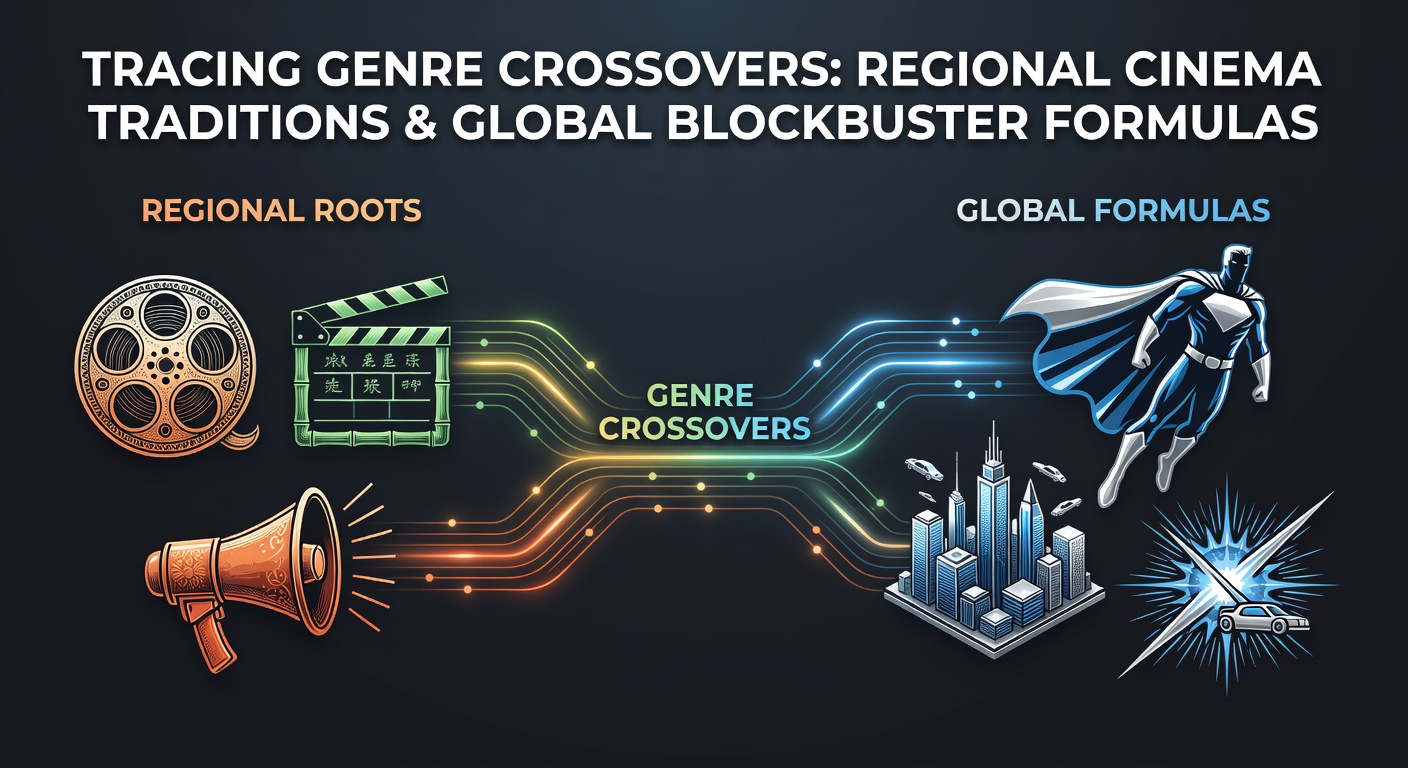
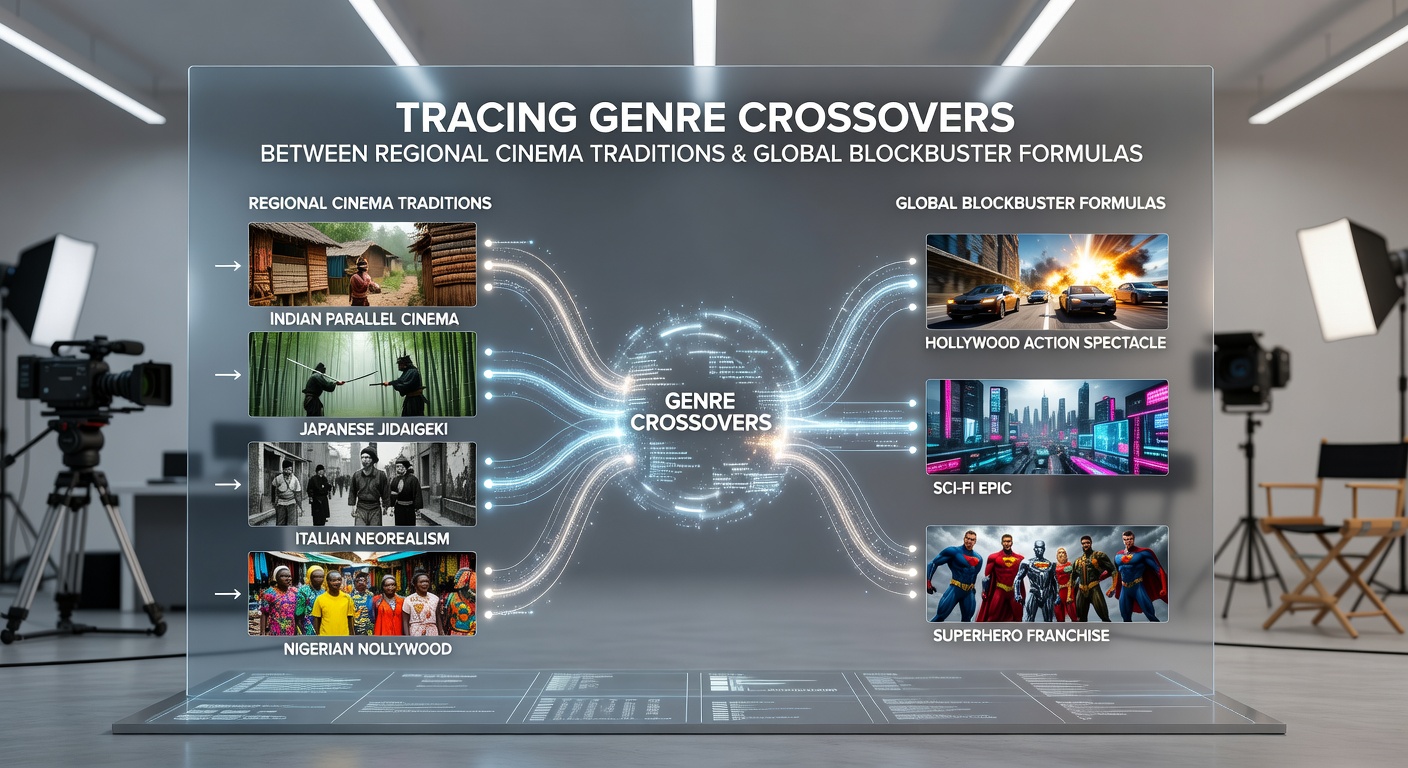
Cinema has long served as a meeting ground where local storytelling methods encounter the high-stakes pacing and visual scale associated with international commercial hits and observers note that this exchange produces films which retain cultural specificity while adopting structural elements such as three-act arcs, ensemble casts, and elevated set pieces. Regional industries in India, Nigeria, South Korea, and Brazil demonstrate consistent patterns of adaptation where traditional narrative forms receive updates through techniques refined in Hollywood productions yet the core remains anchored in community values and historical references that distinguish them from pure exports.
Historical Patterns of Adaptation
Indian popular cinema developed its masala approach by combining song and dance sequences with dramatic confrontations and these elements parallel the musical interludes found in earlier American films while adding layers of social commentary drawn from local contexts. Data from the Central Board of Film Certification in India shows that between 2015 and 2024 over 60 percent of top-grossing titles incorporated at least one major action sequence modeled on global franchises and this shift coincided with increased co-production deals that brought in technical expertise from overseas crews. Similar movements appear in Nigerian video films where episodic structures rooted in oral traditions merge with thriller pacing borrowed from international suspense formats and industry reports indicate rising export revenues as a result.
Technical and Narrative Crossovers
Filmmakers achieve these blends through deliberate choices in editing rhythms, color grading, and sound design where regional color palettes meet the high-contrast lighting typical of blockbuster releases. In South Korean productions the fast-cut fight choreography draws from both traditional martial arts cinema and modern stunt coordination practices and this synthesis has led to measurable box office gains across Asia and beyond. Brazilian directors often layer carnival-derived ensemble scenes onto heist frameworks and the result maintains local humor and music while satisfying audience expectations for escalating tension. Research from the University of São Paulo film studies department highlights how such hybrids increase repeat viewings among domestic audiences who recognize familiar motifs embedded in larger spectacle frameworks.
Case Examples from Recent Releases
One Telugu production released in early 2025 featured a historical revenge plot expanded with aerial chase sequences and large-scale battle choreography that echoed franchise-level budgets yet preserved folk song traditions during key emotional beats. Viewers in multiple markets responded positively to the layered approach and box office figures released by the producers showed strong performance in both home territory and select international territories. In June 2026 several titles scheduled for major festivals are expected to continue this trend with announced projects that combine indigenous mythologies and advanced visual effects pipelines sourced from global post-production houses. These projects rely on partnerships that transfer knowledge without erasing the originating cultural markers.
Market Data and Distribution Shifts
Streaming platforms accelerate visibility for these hybrid works because algorithms surface titles across borders based on engagement metrics rather than strict genre labels and this exposure feeds back into production decisions. According to figures compiled by the European Audiovisual Observatory co-production activity involving regional partners increased by 22 percent from 2020 through 2025 and many of those projects explicitly list genre fusion as a creative goal. Distributors report that audiences in Europe and North America show growing interest in films that deliver familiar thrills alongside unfamiliar cultural textures and this demand encourages producers to retain rather than dilute distinctive elements.
Challenges in Maintaining Balance
Creative teams face ongoing questions around resource allocation because larger action set pieces require substantial funding that may divert attention from character-driven regional elements. Yet successful examples demonstrate that careful scripting can integrate both priorities so that spectacle serves narrative purposes rather than overwhelming them. Industry analysts tracking releases note that projects with balanced integration tend to achieve longer theatrical runs and stronger ancillary sales in home video markets. Training programs at film schools in multiple countries now include modules on these crossovers and students learn to map local story beats onto proven global structures while preserving authenticity in dialogue and setting choices.
Conclusion
The ongoing exchange between regional cinema traditions and blockbuster formulas continues to generate new film forms that travel effectively while reflecting specific cultural contexts. Production trends documented through 2025 and into planned 2026 releases suggest sustained experimentation as technical capabilities spread and audience appetites diversify. Those who track distribution patterns observe that the most durable examples succeed by treating crossover techniques as tools rather than replacements for established storytelling foundations.